Bagged concrete mix is available online and at home. This mix is comparable to the one supplied by a supplier for smaller DIY projects. Bagged concrete mixes include all the ingredients, with the exception of water. The bagged formula is faster and allows for DIYers to make smaller batches while still getting the desired results.
Consider the strength and weight of the concrete mix. Also, make sure you use the right amount of pounds per square in order to do the job. For driveways or patios, a concrete mix of at least 3,000 PSI is sufficient. For footings, you will need concrete that is between 3,500 and 4,000 PSI. The easiest way to determine how much concrete is required to complete a project is to multiply the foundation's width by its length. Divide the cubic footage with 27 to get cubic yards
It is possible to mix concrete all year. However, not every weather situation is ideal for making strong concrete. Concrete includes water so it can react differently to cold or hot temperatures during chemical reactions.
In freezing temperatures, water can freeze and expand. Cracks can result from the expansion. Concrete that is too weak can also be made by chemical reactions at slower temperatures.
When temperatures exceed 80 degrees Fahrenheit, water in the concrete mix can evaporate. This might seem like concrete will harden. The concrete mix must have enough water to support the chemical curing process. Concrete that isn't adequately hydrated can shrink, crack or become weaker. Concrete can crack and stiffen too quickly if it is exposed to high temperatures. This can be avoided by mixing concrete with higher water-to-mix ratios. However, this can lead to concrete cracking and flaking over time.
Wire mesh can be useful to reinforce concrete projects where heavy loads are expected, such a driveway, or as a base for a workshop shed. Rebar could be used in order to reinforce thicker driveways, which are at least 6 inches deep. Rebar is needed for concrete steps projects, such as pouring concrete.
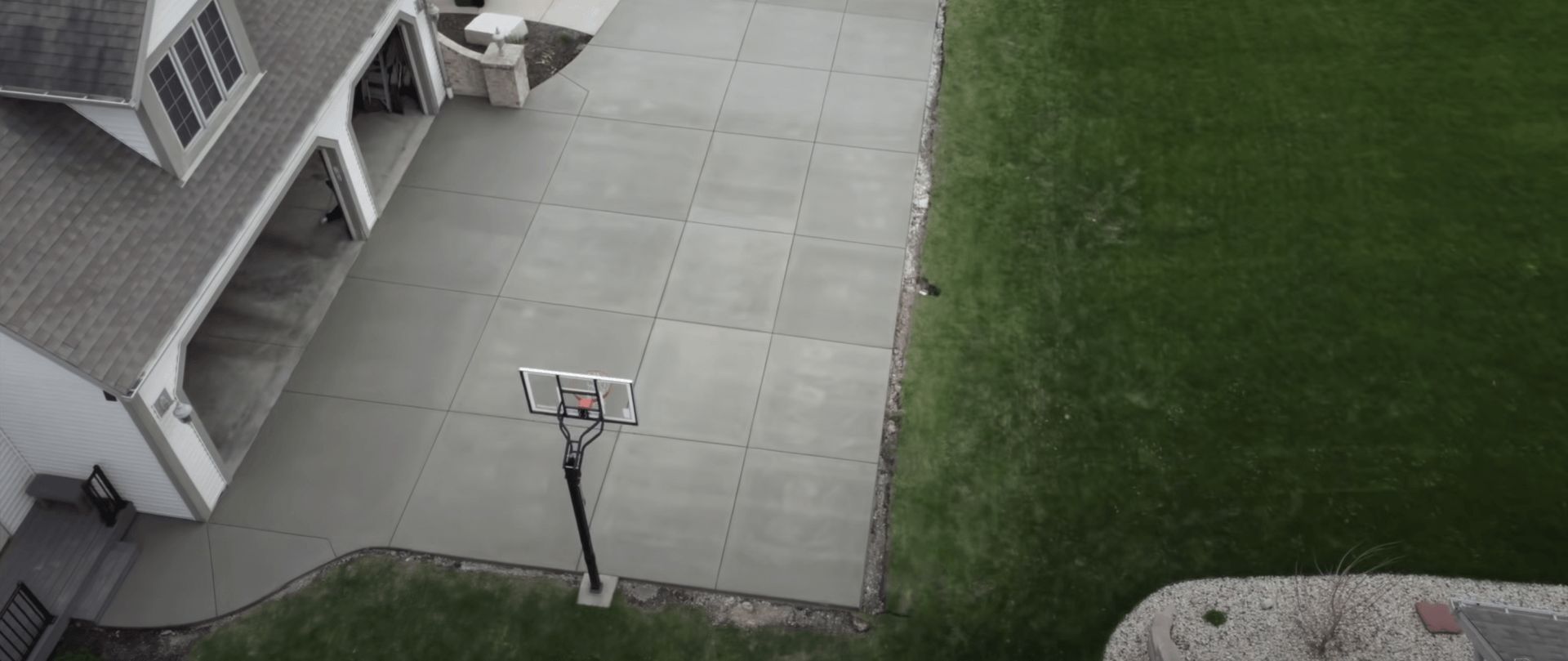

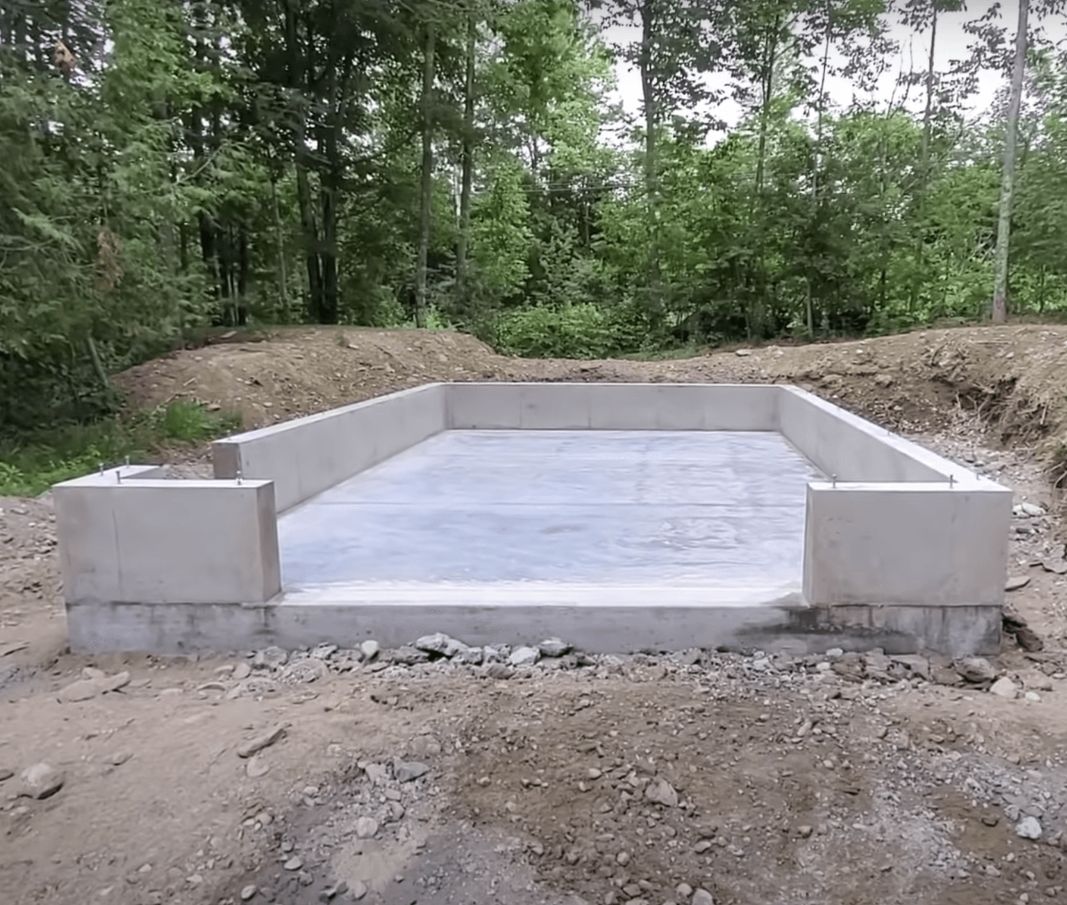
Although learning to pour concrete is a great way to save money and increase your skillset, without the right equipment and attention to detail, you can end up looking far less professional. Concrete, which is generally a mixture cement, sand and gravel with water, can be complicated to mix and manage. Its fast-drying nature makes any mess permanent.
You can save time and effort when you work in small spaces. Although there are many types of concrete mixes and uses to consider, this guide will show you how to pour concrete in a small residential area.
It is important to learn everything you can about concrete mixing. Bagged concrete is what DIYers prefer, but ready-mix concrete is more suitable for large jobs. Concrete trucks transport ready-mix concrete. Concrete is bought from a supplier and transported by a concrete mixer truck. The concrete truck mixes it as it goes to the pour site. This allows suppliers to create the right mix for your job. The concrete is professionally delivered and set up.
Bagged concrete mix, which can be bought online, or at a home improvement centre, is good for small DIY projects. Bagged concrete mixes contain all of the ingredients except water. Although it is important to work quickly for optimal results, bagged formulas allow DIYers to mix smaller batches and have more control.
You need to take into account the concrete mix's strength and ensure that it is used at the right weight per square inch. For a driveway or patio, for example, you would need 3,000 psi. For footings, concrete must be stronger at around 3,500 to 4,000 psi. For calculating how much concrete is required for a project, simply multiply the foundation’s length by the width and divide by its height. You will get its cubic footage. Divide cubic footage by 27 for cubic yards.

heated driveway cost per square foot

heated driveway cost per square foot


Quikrete, a bagged concrete mix manufacturer, recommends that you mix an 80-pound bag with approximately 3 quarts water. Pour 2 quarts into your mix to get started and then add the rest as necessary. Concrete mix water requirements vary depending on the concrete mix, climate and site conditions.

driveway renovation


Ask the contractor to provide a list with references before signing any contract. You can then reach out to those references to learn more information about the contractor's operation. Make sure you ask about the type and length of the project as well as the communication and involvement of the contractor and the general opinion of the reference. These details will assist you in making your final decision.
A person's behavior can speak volumes about them. Look for a contractor with a friendly attitude, who is open to meeting you or discussing your concerns, and who responds promptly to all of your questions. These types of interactions can prove their commitment and quality. It is a sign of unprofessional conduct to not answer questions, call back or seem hesitant.
The key to a successful concrete project is choosing the right contractor. Consider these tips when considering your options to make the best decision.
Concrete is the most common material used in construction. Concrete is used to make roads, floors and walls. Concrete forms the foundation for our houses and buildings we work in. It is important to build a foundation from the very beginning. This will ensure that workers are safe and the safety of those who live in or use the building. Also, it will prevent additional costs for future repairs. It is essential to have a solid concrete contractor and quality employees to build these foundations. This will allow you to thrive and prosper in the concrete construction industry.
Concrete contractors are skilled, experienced workers who are capable of handling concrete at every stage. Concrete contractors with years of industry experience can create elaborate plans and designs. Homeowners and building owners have the option to create their own custom renovations or design features for their properties.
Great contractors draw on their experience, skills, and knowledge to deliver the best results for clients. Concrete specialists can also use their tools to complete their jobs efficiently. A concrete contractor with professional training can produce projects of the highest quality with high-quality structural standards. They also have the ability to satisfy customers during and after the creation process.
Their reliable and efficient service ensures that every client's expectation is met. In the past, concrete contractors prepared the concrete required for a project. Today, ready-mix concrete plants are readily available in most regions. Concrete contractors no longer have to prepare this portion of the job.

driveway renovation
cost for new driveway

cost for new driveway


It is important to pour enough concrete that it fills up the top of the formboards. This will facilitate concrete finishing. To prevent any residue from hardening on the wheelbarrow, rinse it immediately.
To level the concrete immediately before it starts to set, use a long, straight, and clean plank. This long plank is called a screed board. It is used after concrete has been placed in forms to smoothen it.
You should place the screedboard on the edge of the perimeter. Use a back and forth sawing motion to move the screed board hand-dragging it from one end of your concrete project to the opposite end. This will smoothen the concrete. This process can be repeated until you get a smooth finish.
To keep the wood floating away from your face, elevate the far side. You should keep the side facing your face slightly raised when you bring it back toward yourself. This will avoid any drag marks. The magnesium hand float is next. Make sweeping semicircle motions to finish.
Each 4 to 6 foot in width, groove the concrete. This will allow it to expand and contract with temperature changes, thus preventing surface cracks.

concrete company in tulsa


When the temperature drops below freezing, the water can expand and freeze. The expansion can lead to cracks and the reaction of chemical chemicals can slow down enough to make concrete weaker.
When the temperature rises above 80 degrees Fahrenheit the water in the mix may evaporate. Although this may seem like concrete is going to harden, it is not. This water is essential for the concrete mix to cure. Concrete can shrink, crack, and weaken without enough water. Concrete that is heated above 90 degrees can harden too fast and flash set. While it might sound smart to keep concrete from cracking, mixing the concrete at a higher ratio of water to mix can make it more susceptible to flaking or breaking down over time.
You might consider using wire mesh to strengthen concrete projects with heavy load bearing, such as driveways or bases for work sheds. Rebar can be used for stronger driveways with a depth of 6 inches or more. Rebar is necessary for concrete step-pouring projects.
Ideal pouring temperatures are around 60 degrees Fahrenheit.
You're prepared with enough concrete mix and have chosen the best day to pour it. These are the steps for pouring concrete.
It is essential to ensure the safety and legality of any concrete job site before you can pour concrete. Contacting the local building department is necessary to obtain information on permits and setbacks. The local excavation number can also be called to coordinate the marking of the location of wires and pipes in the ground.
Concrete pouring can't be stopped or restarted with no negative consequences. Before you start a DIY concrete pour, make sure that everything is in place. To protect the skin and eyes from potential chemical burns from wet concrete, safety glasses and sturdy work boots are recommended.

concrete refinishing oklahoma


Begin by searching for residential concrete contractors close to you. Once you've found potential candidates, contact them.
Our team is armed with extensive experience and has access to a range of equipment that can be used for driveways, warehouse slabs or parking lot construction.
Concrete pavements can be used for rural roads, residential streets, city streets, intersections or intermodal facilities.
Both sidewalks and driveways can be used to create a path from your commercial property or building up to it.
Finding a concrete contractor to hire is more than simply searching the internet or selecting the lowest price. Here are some tips to help you make the right choice and ensure your project goes according to plan.
Ask the contractor to provide a list with references before signing any contract. You can then reach out to those references to learn more information about the contractor's operation. Make sure you ask about the type and length of the project as well as the communication and involvement of the contractor and the general opinion of the reference. These details will assist you in making your final decision.

Frequently Asked Questions

While there are many benefits to using concrete in driveway construction, it may not be the best option if you're looking for a durable surface. Concrete is a relatively new material that was first developed in the 1920s and has since become one of the most popular driveway materials. However, this type of pavement suffers from several disadvantages when compared to other alternatives such as asphalt or gravel driveways.

For starters, concrete tends to wear much more quickly than other materials due to its porous nature. This means that water can accumulate inside the structure, causing structural failures and potential flooding occur during heavy rainfalls or snowstorms. Additionally, repairs will usually require significantly more resources than with other types of driveways because concrete is difficult to work with and requires special tools and techniques.

Consider the following when choosing a slab made from concrete:

- Durability: Make sure the slab is durable enough to withstand normal wear and tear.

- Moisture management: Ensure that the slab can handle moisture fluctuations, especially during periods of wet weather.

- Surface finish: look for slabs with a smooth, even surface that is free of cracks or major imperfections.