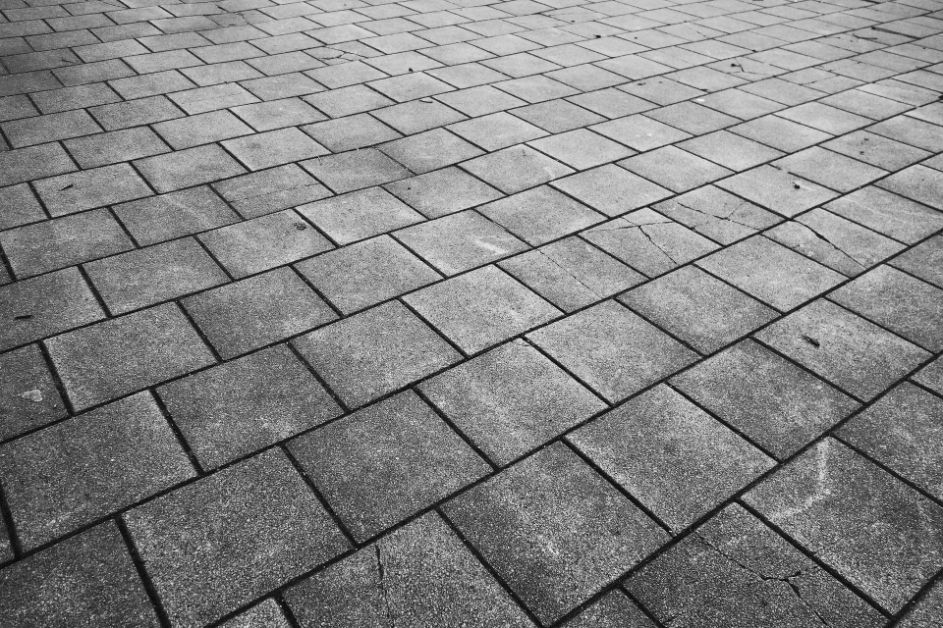
Yes, driveways can be resurfaced. Concrete resurfacing is recommended if you see shallow cracks or patches in your driveway. This is used to address larger surface issues such as spalling and horizontal chipping.
It is a good idea to have your driveway resurfaced every two to three year. However, homeowners who insist on sealing their driveways every year can cause the sealcoat cracking and to peel more. It is best to avoid this.


To achieve the perfect pour, you should work at 60 degrees Fahrenheit or earlier in the morning to avoid the heat of the afternoon.
You have enough concrete mix to do the job and the right day for it. Follow these steps to complete a concrete pour.
First, ensure that the site is suitable for concrete pouring. This involves contacting your local building department for information about permits and building setbacks. It also involves calling the local excavation company to mark the locations of pipes or wires in the ground.
Concrete pouring is not something that can be stopped or restarted easily. It's crucial to prepare the site and have all necessary tools and materials on hand before you begin a DIY concrete pour. Personal protective equipment is also important. Safety glasses, gloves, sturdy boots, long pants, and a long-sleeved shirt are essential to protect your eyes and skin from chemical burns that may result from wet concrete.
Next, you need to determine the form and size of the concrete pour. Because it is easier to work on level ground, it also reduces the amount work required to make a subbase flat and a concrete pour.

asphalt versus concrete driveway cost

asphalt versus concrete driveway cost


The subgrade is the soil or earth beneath the gravel layer. You can compact it by using a hand-tamper. This flat-bottomed, rectangular plate with a broom length upright handle can be used to add weight by standing or pressing down on it. The concrete will not crack if the hand tamper is used evenly across the entire area.
The next step in how concrete is poured is building a mold around the perimeter of your site. The concrete will then be placed in the interior of the form. Standard lumber can be used to create a linear form. Duplex nails have two heads, so it is easier to remove them after the concrete cures. If the pour contains a curving element, you can use a piece of synthetic siding or a concrete mold to transform it into an organic shape.
To ensure that the concrete form is uniform in height, you will need to level it after it has been constructed. This is vital as the quality of the preparation work will affect the level concrete when it comes to the final stages. Next, reinforce any joints using an additional board outside the form to strengthen it. Before you proceed to the next step, check that the form is level.
A gravel subbase is required, depending on the weather and soil conditions. Some areas are frostfree, while others may have soil that expands or contracts with temperature fluctuations. A layer of stones or subbase gravel is laid on top of the concrete to protect it from frost.
Open-grade stones tend to be more expensive and have better water drainage. But finer grade stone or gravel is more compact and can often provide a more stable result. Use the hand-tamper to compact gravel over the base. You can add wire mesh to strengthen the concrete by laying the sheets.
Preparing to mix the concrete requires safety glasses and gloves. A concrete mixer can rent for around $100 per day. For smaller jobs, however, a wheelbarrow with shovel, elbow grease, and a shovel will suffice. Two wheelbarrows can be used to speed up the process when you have a helping hand.
Make sure that your water is perfect before you mix the bag of concrete with water. Use filtered water to avoid the concrete looking cloudy if there is hard water. Concrete that is hard water can slow down the cure time, which can cause it to be less strong for large jobs. We can provide detailed information about concrete mixing including how much and proper consistency.
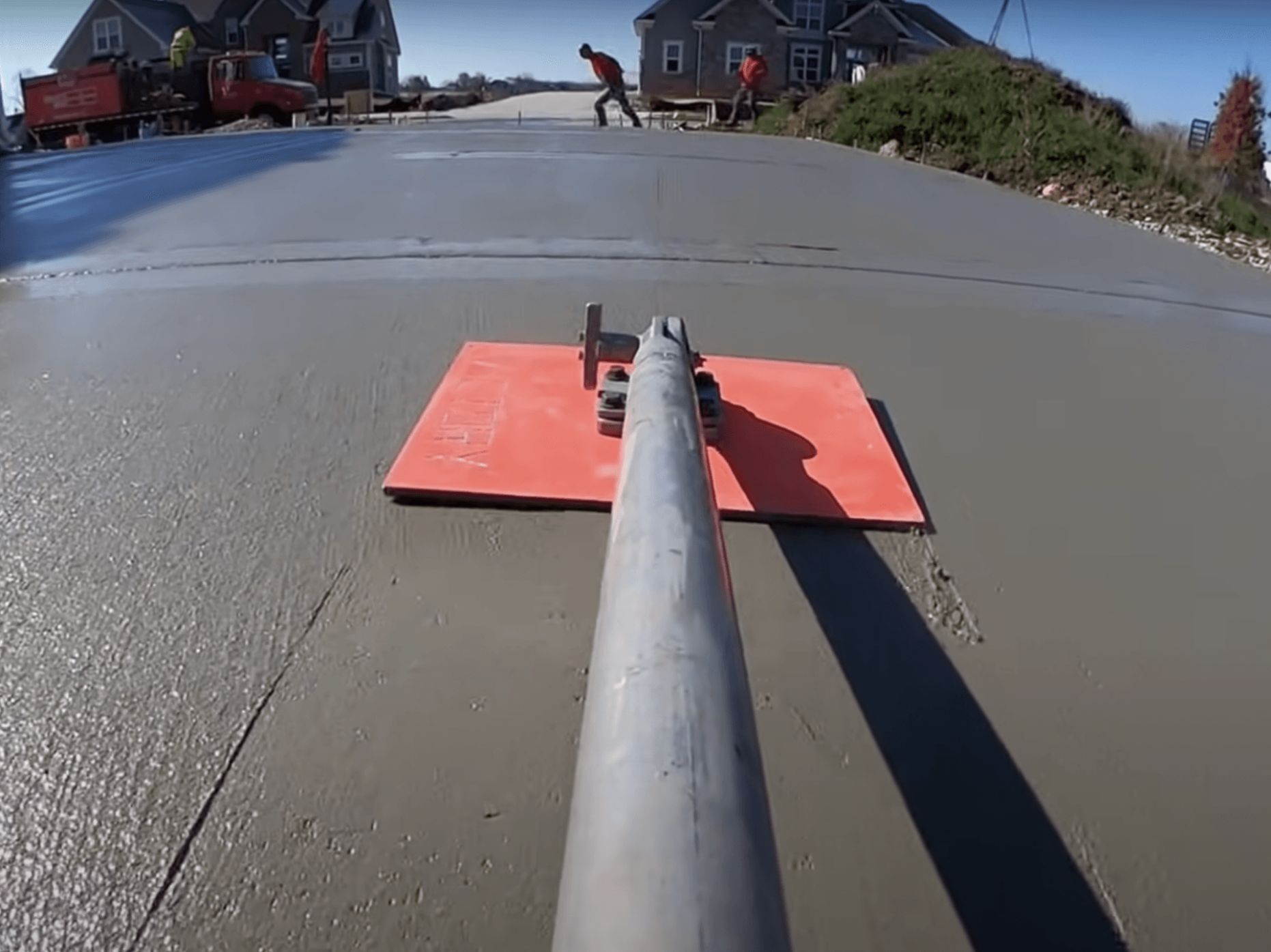

does homeowners insurance cover concrete driveway


Concrete can suffer from damage due to a variety of reasons. You can protect your home if you are familiar with the causes of concrete damage.
Most concrete damage is caused when there are problems with the soil. The soil under your concrete foundation is what makes it work. The soil beneath concrete can become uneven, spongy, or too dry if it isn't properly prepared.
No matter the cause, our Tulsa concrete team can help. We will perform a foundation evaluation and present your options before you implement the best concrete repair in Tulsa.
T&S Premier Concrete Tulsa doesn't believe in band-aids for serious problems. Concrete cracks can be dangerous to your home and cause serious safety issues. You can rely on us to create a solution specific to your needs.
The most common methods of repair, including mudjacking, epoxy injections and resurfacing are temporary. We prefer concrete replacement as our preferred method. It is a permanent solution that you don't have to repeat as often as with the more popular repair methods.
Cracked concrete is not just an eyesore, it can also pose a serious problem for you.

does homeowners insurance cover concrete driveway
tulsa driveways

tulsa driveways


Concrete pouring can be a complicated job. When pouring concrete, it is important to take into account the size, shape of the concrete and how complex it will be. Here are eight steps to help you better understand the concrete installation process.
To minimize the possibility of concrete shifting from frosty soils or expansive soils, it is necessary to prepare the site before concrete can be poured. Use hand-held tools to get rid of any old concrete, grass, shrubs, trees, or rocks. This is especially important for large pours. Place and compact the sub base of gravel, unless it is very stable and compact. Refer to the subgrades of concrete slabs.

concrete driveway pricing


Concrete pouring is not a job that can easily be stopped and restarted without any negative consequences. Therefore, it is important to get your site ready before you start a DIY concrete pour. Protect your skin and eyes with safety glasses, long pants and sturdy work boots.
The next step is to determine the shape and size of your concrete pour. It is much easier to work in level ground because it reduces the amount and complexity of work that is required to create a subbase and an even concrete pour.
After you have established the site, measure the area in which concrete is to be poured. String and stakes are used to lay the slab. At each corner, place a stake. Flags can cause confusion if flags were used to mark wires, gas lines, and sewer lines. In this case, specific colored flags will be used to indicate the different functions. Measure the diagonals of a rectangle to ensure they are equal.
It is common to remove some soil before concrete can be laid. If your goal is to have the concrete patio/driveway level with the existing ground, it's necessary to remove enough soil. (The concrete slab on top and the depth of the subbase will vary depending upon your specific project.
All sticks, twigs, stones and other obstructions should be removed. Use a 48-72-inch long level to make sure the ground is perfectly flat. If the ground is not level, move it around with a shovel. Then test again with the level.

cement driveways contractors


Contemporary concrete driveways are available in a wide variety of colors and textures. These upgrades will increase the cost of your project but also make your home stand out with a unique look. Be sure to inform your contractor if you are interested with decorative concrete options. They can show you the various colors and patterns and will work with you to create what you desire.

Frequently Asked Questions

There are a few potential problems that can occur with a concrete driveway, including cracking, wearing down of the surface due to weather conditions or traffic, and water infiltration. Cracking is usually the result of expansion and contraction caused by changes in temperature or humidity. This can lead to holes appearing in your driveway which may require you to replace it. Wearing down of the surface due to weather conditions or traffic can also cause your driveway to become uneven and unstable over time. Water intrusion occurs when rainwater seeps through the pavement and into underlying soil deep below the ground level where it becomes contaminated by toxinsand bacteria.

When it comes to building anything, there are always potential problems that you may encounter. Some of the most common issues with concrete contractors include missed deadlines, cost overruns, and poor quality work.

Not all contractors are created equal, so it is important to do your research before engaging one in any construction project. Make sure to ask for references and visit the site/office yourself to get a sense of how things operate. If something seems too good to be true, it probably is.

Be prepared for delays and budget surprises by having adequate insurance coverage in place and being proactive about communication. Stay organized by keeping track of what has been done when; this will make problem solving easier if something does go wrong.

When you are looking to hire a contractor, be sure to ask the following questions:

-What experience do they have?

-How long has their company been in operation?

-What ratings and reviews does their business have online?

-Where did they obtain their licenses and certifications?

When you are looking to hire a concrete contractor, it is important to consider some key factors. First and foremost, make sure that the contractor has experience working with concrete. Secondly, ensure that they have a valid insurance policy in place. Thirdly, make sure that their licensing and certification status is up-to-date. Fourthly, check out their references and reputation online. Fifthly, ask them about their pricing structure and what types of discounts they offer for large projects or multiple contracts. Sixthly, be sure to discuss any job specifications with the contractor before bidding on a project so there are no misunderstandings later on down the road! Eighthly, always communicate directly with your contractors during the construction process in order to keep things moving forward smoothly!

One of the most important things to keep in mind when installing a patio slab is ensuring that it is sturdy and leak-proof. To do this, you will need to use quality materials and install the slab properly. Here are a few tips to help you improve this process:


1) Choose high-quality materials – When selecting your patio slab, make sure to choose from quality materials that will be able to withstand weather conditions and regular use. This includes using concrete blocks or bricks that are made with exterior waterproofing treatments.

2) Installation basics – Make sure that the slab is installed correctly by following the instructions provided by the manufacturer. Incorrect installation can lead to water damage, which can ultimately ruin your deck or patio surface.

3) Regular maintenance – Keep your patio area clean and free of mold growth by regularly cleaning it with appropriate detergents and scrubbing Tools after any rain or snowfall.