You can easily add water to the mix if it is too dry. The addition of more dry mix can be used to make it less wet. The mixed concrete should look like cookie dough.
Place four stakes at the corners to mark the location of the new slab. Next, measure the slope with a line level, string, or builder's level. Flattening a sloped spot means moving tons. To retain the soil, you can build or dig on the slope.
Concrete pouring can be a complicated job. When pouring concrete, it is important to take into account the size, shape of the concrete and how complex it will be. Here are eight steps to help you better understand the concrete installation process.
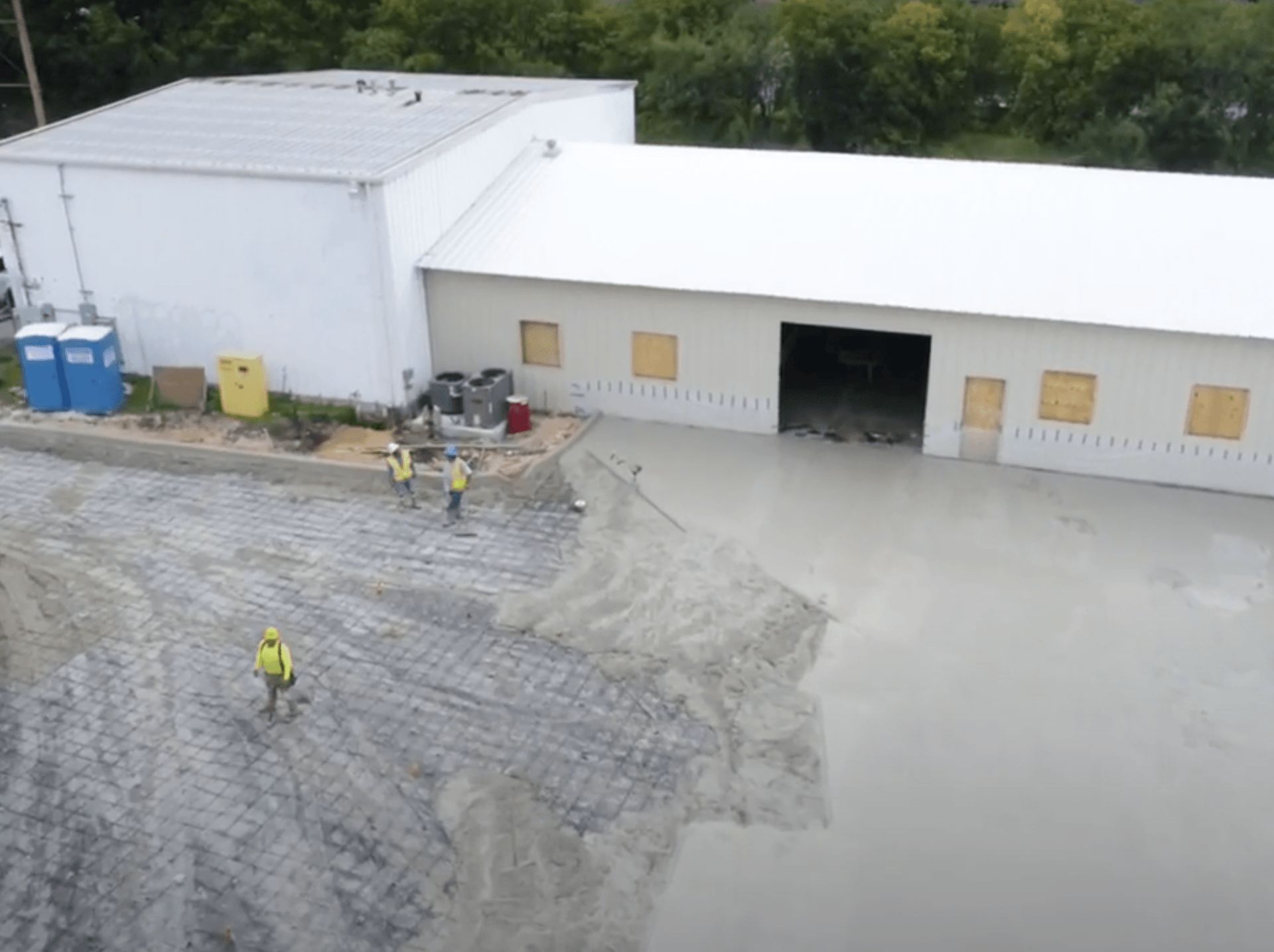
To minimize the possibility of concrete shifting from frosty soils or expansive soils, it is necessary to prepare the site before concrete can be poured. Use hand-held tools to get rid of any old concrete, grass, shrubs, trees, or rocks. This is especially important for large pours. Place and compact the sub base of gravel, unless it is very stable and compact. Refer to the subgrades of concrete slabs.
Pour concrete into the molds until they are filled to the edge. When pouring the concrete, make sure to use shovels to move it. More information about placing concrete.
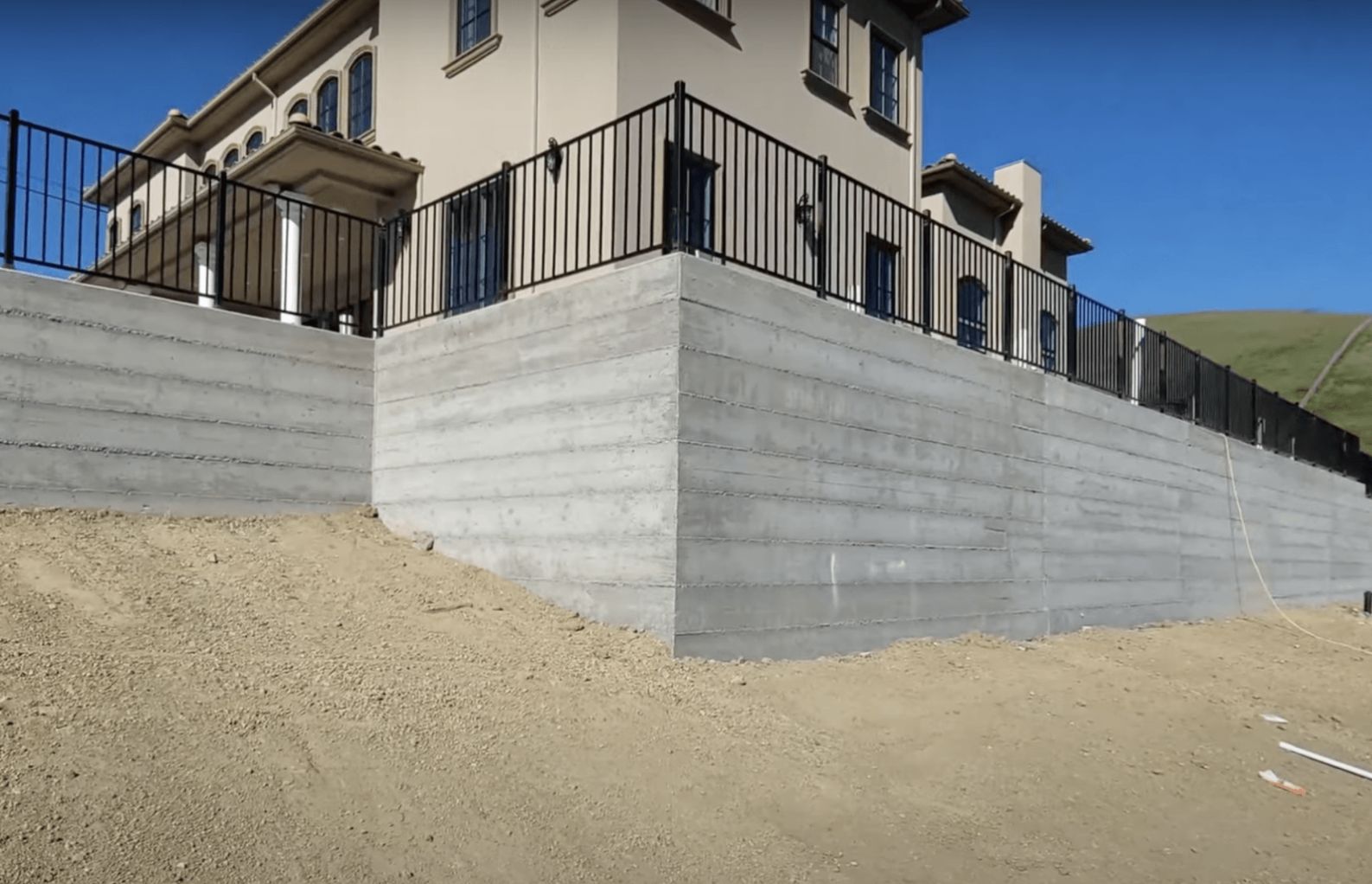
We have over 60 years combined industry experience and can handle any residential concrete job. We know how to mix concrete in the correct proportions for each structure and its location. Also, we know how to prepare the site for construction so it goes smoothly. Our experience allows us to avoid common errors that non-professionals can make, which can reduce the concrete's life span and cause it to require constant repair.
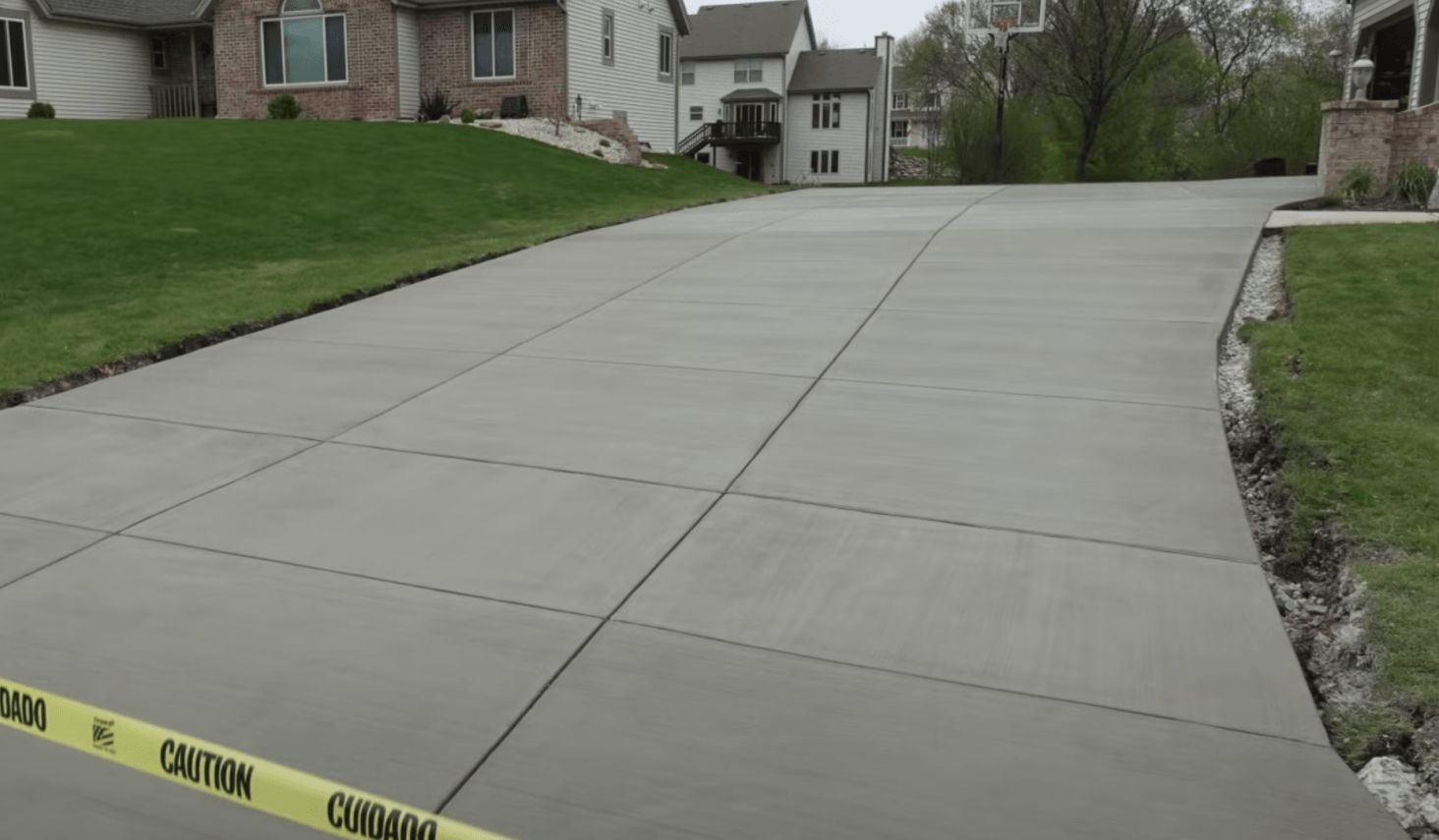
Driveways are the first thing people see when they drive up to your house from the street. A well-constructed, beautiful driveway will give people a great first impression. Our standard concrete strength of 4500 psi is more than the minimum 2500. Concrete driveways are more cost-effective than pavers due to their durability, ease of maintenance, and customizability.