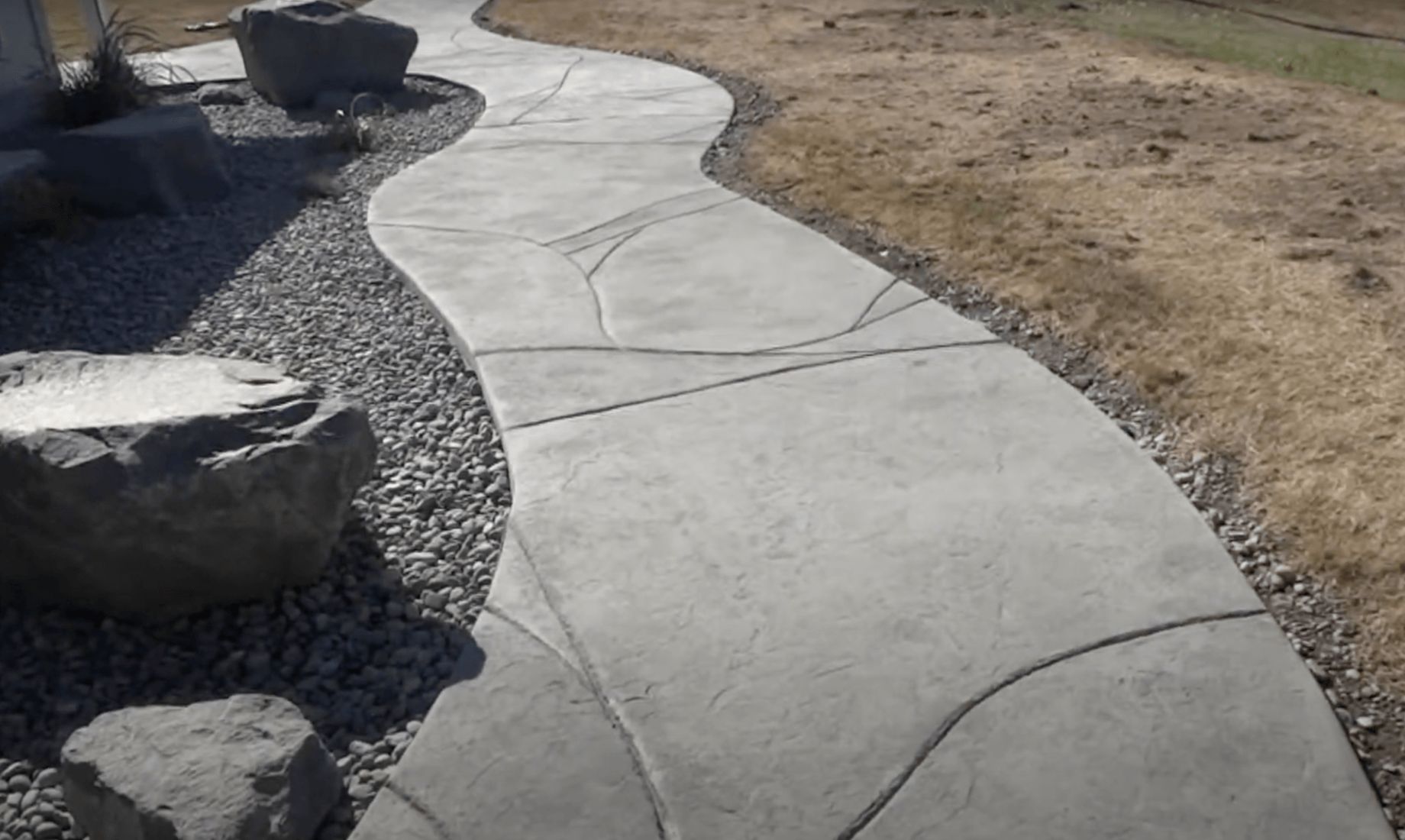
concrete driveway extension near me
You want to pour a perfect pour at temperatures between 60 and 70 degrees Fahrenheit.
Now that you have the concrete mix, it's time to start pouring. The next step is to follow these step-by steps to pour concrete.
Before you start a concrete project, make sure that your job site is safe and legal. To find out about permits and building setbacks, contact the local building department. You can also call the local excavation number to get the pipes and wires marked in the ground.
Concrete pouring is not a job that can easily be stopped and restarted without any negative consequences. Therefore, it is important to get your site ready before you start a DIY concrete pour. Protect your skin and eyes with safety glasses, long pants and sturdy work boots.
The next step is to determine the shape and size of your concrete pour. It is much easier to work in level ground because it reduces the amount and complexity of work that is required to create a subbase and an even concrete pour.
After you have established the site, measure the area in which concrete is to be poured. String and stakes are used to lay the slab. At each corner, place a stake. Flags can cause confusion if flags were used to mark wires, gas lines, and sewer lines. In this case, specific colored flags will be used to indicate the different functions. Measure the diagonals of a rectangle to ensure they are equal.
It is common to remove some soil before concrete can be laid. If your goal is to have the concrete patio/driveway level with the existing ground, it's necessary to remove enough soil. (The concrete slab on top and the depth of the subbase will vary depending upon your specific project.